INDIGENOUS KNOWLEDGE AND DARWIN
Satyapal Singh has every right to differ from Darwin's theory but he’s not correct in asking for it to be removed from text books. Instead, the enthusiastic Minister must use his knowledge to debate the issue
India’s Minister of State for Human Resource Development Satya Pal Singh has been condemned by scientists for expressing his views on Darwin’s theory of human evolution. He was not the first individual who had a different viewpoint on what Darwin had established after conducting his ‘scientific researches’ with persistence over a period of time. One could even Google and peruse articles and papers giving scientific details and facts contradicting Darwin. My concern is far beyond the controversy, on one of the scientific theories which is a part of scientific advancement. Yes, even well established theories are contradicted, contrasted, refined or rejected. Is it not unscientific on the part of those who condemn Singh’s statement simply because ‘he does not think alike’?
Having transitioned from the position of top cop in the Indian police establishment to Sansad Bhavan and the Shastri Bhavan, Singh has certainly not given up his freedom of expression guaranteed by the Indian Constitution. There are millions of Indians who find the Dashawatar theory logical, scientific and, hence, convincing. Should they all be condemned by the Indian ‘scientists’?
This writer has undergone personal and professional condemnation on a sustained scale for having suggested that Indian history books were teaching the ‘Aryan invasion theory’ could also mention that this premise is challenged by several historians. Condemnation came from the ‘secular ideologically-constrained eminent historians’ and their comrade-in arms who were just not ready to give any space to another viewpoint. They were just not ready to change history books written in the early 1970s even after 30-35 years, as the authors were eminent individuals.
When a query was posed as to what would happen to the new findings available through new research, explorations, excavations and modern day scientific techniques, the answer was plain and simple: We do not accept anything from those ‘who do not think alike’. One wonders how this approach can be termed ‘scientific’.
The Minister is supposed to address some bigger challenges that must have come before him during the couple of months he has spent in the Ministry of Human Resource Development. Ministers are not supposed to change the curriculum; they are not authorised to decide upon the contents of the curriculum. Their job, inter alia, is to ensure that the content and process of education in every discipline and at each stage remains ‘dynamic’ in nature. To bring in new knowledge and remove the obsolete from the curricula is the job of academics, scholars and researchers.
In several areas in higher education, even central universities may be continuing with the unchanged curriculum and syllabus for over two-three decades. Dynamism just cannot be accomplished even in a prestigious institution like IIT or IIM or central universities if these are understaffed by 50-70 per cent of the professional faculty for decades together. He must have appraised himself with the steep decline of the regulatory bodies set up at the national level for quality upgradation.
For the last couple of years, the fate of the University Grants Commission (UGC) has remained in suspense; will it be re-organised or simply bound up? With the recent appointment of an energetic and enthusiastic Chairperson, one hopes the UGC will regain credibility and stature in higher education. The challenge before the Minister is to create a dynamic work culture in higher education institutions, inspire innovations, convince youngsters that every institution shall give them their right to professional and personal development in a manner that they would not find themselves deficient as the enter the workforce. This just cannot be achieved in a system that regularly issues fake university lists, conducts inquires against its own Vice-Chancellors and is slack even in appointing heads of national-level intuitions in time.
Incidentally, Darwin enters the minds of young children in schools. And whatever is ‘memorised’ there, is ever lost! The last school curriculum revision took place in 2005, and books were prepared accordingly. Globally acceptable principle for curriculum renewal is to do so within five years, if not within three. At present, we are awaiting a new education policy. One wonders when the process of curriculum renewal shall really begin. Least till then, Darwin is safe in India, and no alternative theories shall be brought to challenge his presence.
I see an intense desire in the mind of the Minister to give indigenous knowledge its due place in education. It is learnt that he has acquired thorough and in-depth knowledge of Vedic literature and is an admirer of Indian culture, heritage and history. Expectedly, he is familiar with what Romain Rolland, in his famous treatise, The Life of Vivekananda and the Universal Gospel: A Study of Mysticism and Action in Living India, wrote: “Vivekananda frequently insists on the close relationship between the modern theory of evolution and the theories of ancient metaphysics and Vedantic cosmology”.
The Minister, like numerous other scholars, scientists and thinkers, has every right to differ from Darwin’s theory but is not correct in stating that it should be removed from the books children and young persons study in schools and colleges. The enthusiastic Minister and also scientists in the country must focus on bigger issues like how scientific developments in the West resulted in the utter neglect of all discoveries and inventions of the past by ‘others’ — non-Western non-white’ persons. This is often mentioned in all sincerity by those who have studied Indian thought, philosophy and could comprehend the essence of knowledge that flows from the ancient tradition of knowledge quest.
This is best described in the book, ‘Lost Discoveries: The Ancient Roots of Modern Sciences -from the Babylonians to the Maya, published in 2002 by Simon and Schuster. Authored by Dick Teresi, an acclaimed science writer and Omni magazine cofounder. The book traces the origins of modern discoveries, modern day science achievements back to their ancient roots that are spread over non-Western world — Sumerian, Babylon, Egypt, India, China, Africa, Arab nations, the Americas and the Pacific islands. Some of the following extracts should indeed be an eye-opener even in the context of the ridicule bestowed on the Union Minister:
“Twenty-four centuries before Isaac Newton, the Hindu Rig Veda asserted that gravitation held the universe together, though the Hindu hypothesis was the less rigorous than Newton’s. The Sanskrit speaking Aryans subscribed to the idea of spherical earth in an era when the Greeks believed in the flat one. The Indians of the fifth century AD somehow calculated the age of the earth as 4.3 billion years; scientists in nineteenth-century England were convinced it was 100 million years. The modern estimate is 4.6 billion years.”
“In its January 14, 2000, issue on the occasion of the beginning of the third millennium, Science magazine, in conjunction with the American Association for the Advancement of Science, published a timeline, called Pathways of Discovery that detailed 96 of the most important scientific achievements in the recorded history.”
“Of those 96 achievements, only two were attributed to non-white-non-Western scientists: The invention of zero in India in the early centuries of the Common Era and the astronomical observations of Maya and Hindus in AD 1000. Even these two accomplishments were muted by the editors of Science. The Indians were given credit only for creating the symbol of zero, rather than the concept itself. The Mayan and Hindu ‘sky watchers’ (the word astronomer was not used) made their observations, according to the journal, for ‘agricultural and religious’ purposes only.”
The Minister could accept the challenge that emerges in its fulsome dimensions: How to systematically initiate studies in ancient Indian wisdom and knowledge, examine its contemporary relevance and present it before the globalised world in the present-day idiom. No need to despise Darwin in any way. Why not draw a bigger line?
(The writer is former Director, NCERT and an educationist)http://www.dailypioneer.com/columnists/oped/indigenous-knowledge-and-darwin.html
とても興味深く読みました:
再生核研究所声明339(2016.12.26)インドの偉大な文化遺産、ゼロ及び算術の発見と仏教
世界史と人類の精神の基礎に想いを致したい。ピタゴラスは 万物は数で出来ている、表されるとして、数学の重要性を述べているが、数学は科学の基礎的な言語である。ユークリッド幾何学の大きな意味にも触れている(再生核研究所声明315(2016.08.08) 世界観を大きく変えた、ユークリッドと幾何学)。しかしながら、数体系がなければ、空間も幾何学も厳密には 表現することもできないであろう。この数体系の基礎はブラーマグプタ(Brahmagupta、598年 – 668年?)インドの数学者・天文学者によって、628年に、総合的な数理天文書『ブラーマ・スプタ・シッダーンタ』(ब्राह्मस्फुटसिद्धान्त Brāhmasphuṭasiddhānta)の中で与えられ、ゼロの導入と共に四則演算が確立されていた。ゼロの導入、負の数の導入は数学の基礎中の基礎で、西欧世界がゼロの導入を永い間嫌っていた状況を見れば、これらは世界史上でも顕著な事実であると考えられる。最近ゼロ除算は、拡張された割り算、分数の意味で可能で、ゼロで割ればゼロであることが、その大きな影響とともに明らかにされてきた。しかしながら、 ブラーマグプタはその中で 0 ÷ 0 = 0 と定義していたが、奇妙にも1300年を越えて、現在に至っても 永く間違いであるとしてされている。現在でも0 ÷ 0について、幾つかの説が存在していて、現代数学でもそれは、定説として 不定であるとしている。最近の研究の成果で、ブラーマグプタの考えは 実は正しかった ということになる。 しかしながら、一般の ゼロ除算については触れられておらず、永い間の懸案の問題として、世界を賑わしてきた。現在でも議論されている。ゼロ除算の永い歴史と問題は、次のアインシュタインの言葉に象徴される:
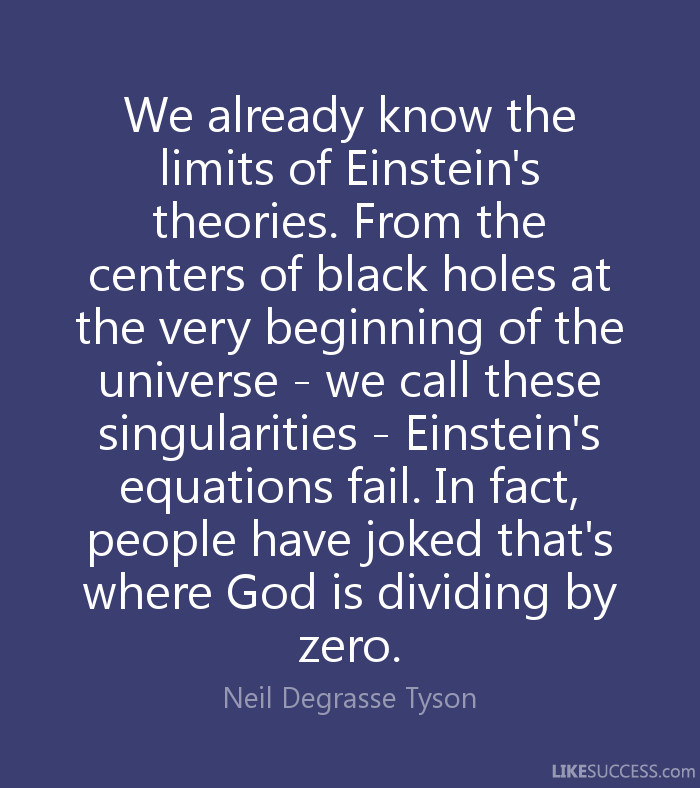
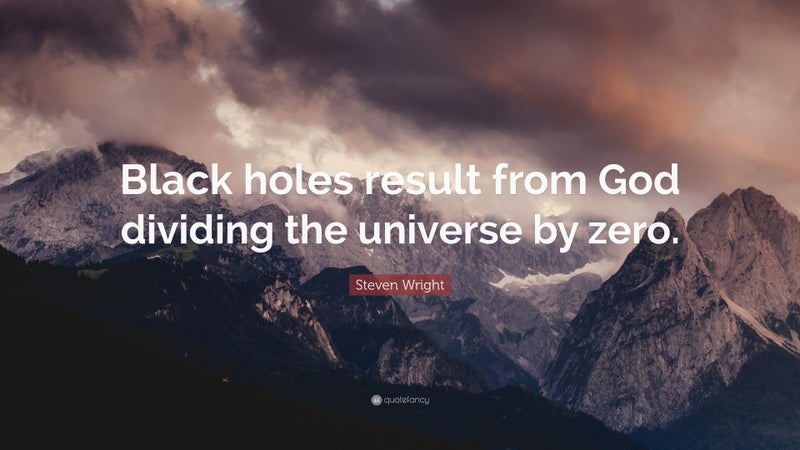
Blackholes are where God divided by zero. I don't believe in mathematics. George Gamow (1904-1968) Russian-born American nuclear physicist and cosmologist re-
marked that "it is well known to students of high school algebra" that division by zero is not valid; and Einstein admitted it as the biggest blunder of his life [1] 1. Gamow, G., My World Line (Viking, New York). p 44, 1970.
· 愛別離苦(あいべつりく) - 愛する者と別離すること
· 怨憎会苦(おんぞうえく) - 怨み憎んでいる者に会うこと
· 求不得苦(ぐふとくく) - 求める物が得られないこと
の四つの苦に対する人間の在り様の根本を問うた仏教の教えは人類普遍の教えであり、命あるものの共生、共感、共鳴の精神を諭されたと理解される。人生の意義と生きることの基本を真摯に追求された教えと考えられる。アラブや西欧の神の概念に直接基づく宗教とは違った求道者、修行者の昇華された世界を見ることができ、お釈迦様は人類普遍の教えを諭されていると考える。
これら2点は、インドの誠に偉大なる、世界史、人類における文化遺産である。我々はそれらの偉大な文化を尊崇し、数理科学にも世界の問題にも大いに活かして行くべきであると考える。 数理科学においては、十分に発展し、生かされているので、仏教の教えの方は、今後世界的に広められるべきであると考える。仏教はアラブや欧米で考えられるような意味での宗教ではなく、 哲学的、学術的、修行的であり、上記宗教とは対立するものではなく、広く活かせる教えであると考える。世界の世相が悪くなっている折り、仏教は世界を救い、世界に活かせる基本的な精神を有していると考える。
ちなみに、ゼロは 空や無の概念と通じ、仏教の思想とも深く関わっていることに言及して置きたい。 いみじくも高度に発展した物理学はそのようなレベルに達していると報じられている。この観点で、歴史的に永い間、ゼロ自身の西欧社会への導入が異常に遅れていた事実と経過は 大いに気になるところである。
以 上
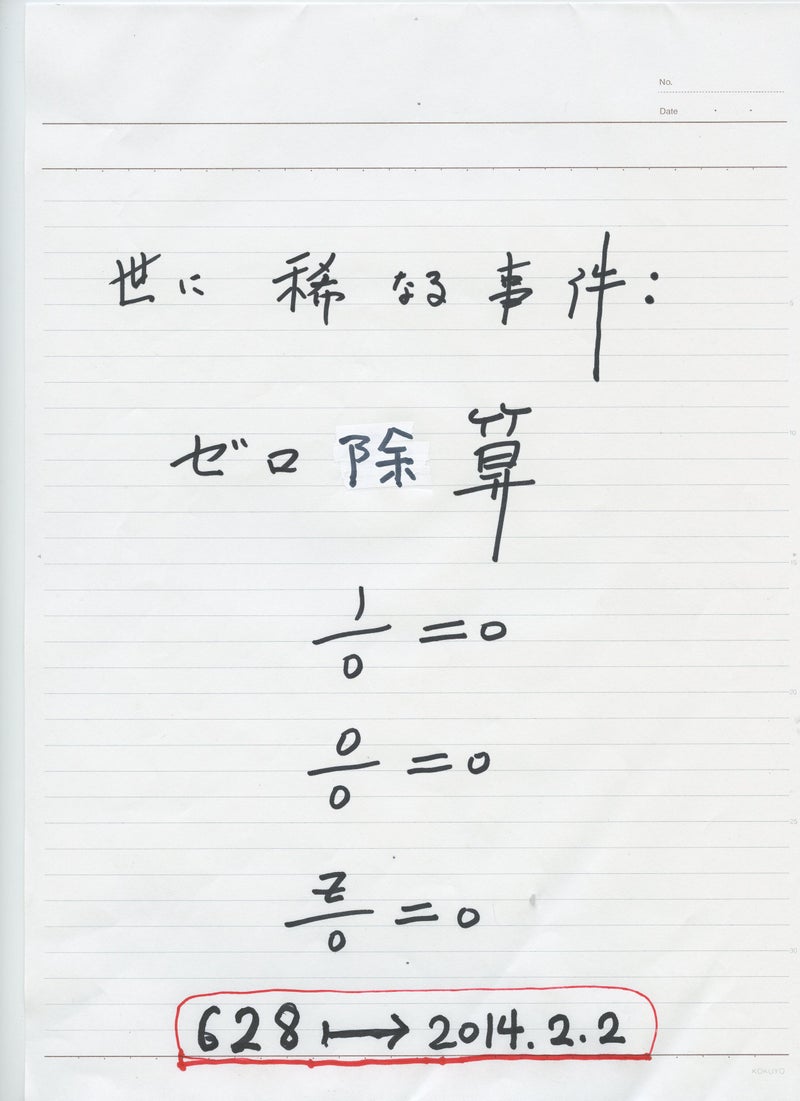
The division by zero is uniquely and reasonably determined as 1/0=0/0=z/0=0 in the natural extensions of fractions. We have to change our basic ideas for our space and world:
http://www.scirp.org/journal/alamt http://dx.doi.org/10.4236/alamt.2016.62007
http://www.ijapm.org/show-63-504-1.html
http://www.diogenes.bg/ijam/contents/2014-27-2/9/9.pdf
http://www.scirp.org/journal/alamt http://dx.doi.org/10.4236/alamt.2016.62007
http://www.ijapm.org/show-63-504-1.html
http://www.diogenes.bg/ijam/contents/2014-27-2/9/9.pdf
Announcement 326: The division by zero z/0=0/0=0 - its impact to human beings through education and research
再生核研究所声明357(2017.2.17)Brahmagupta の名誉回復と賞賛を求める。
再生核研究所声明 339で 次のように述べている:
世界史と人類の精神の基礎に想いを致したい。ピタゴラスは 万物は数で出来ている、表されるとして、数学の重要性を述べているが、数学は科学の基礎的な言語である。ユークリッド幾何学の大きな意味にも触れている(再生核研究所声明315(2016.08.08) 世界観を大きく変えた、ユークリッドと幾何学)。しかしながら、数体系がなければ、空間も幾何学も厳密には 表現することもできないであろう。この数体系の基礎はブラーマグプタ(Brahmagupta、598年 – 668年?)インドの数学者・天文学者によって、628年に、総合的な数理天文書『ブラーマ・スプタ・シッダーンタ』(ब्राह्मस्फुटसिद्धान्त Brāhmasphuṭasiddhānta)の中で与えられ、ゼロの導入と共に四則演算が確立されていた。ゼロの導入、負の数の導入は数学の基礎中の基礎で、西欧世界がゼロの導入を永い間嫌っていた状況を見れば、これらは世界史上でも顕著な事実であると考えられる。最近ゼロ除算は、拡張された割り算、分数の意味で可能で、ゼロで割ればゼロであることが、その大きな影響とともに明らかにされてきた。しかしながら、 ブラーマグプタは その中で 0 ÷ 0 = 0 と定義していたが、奇妙にも1300年を越えて、現在に至っても 永く間違いであるとされている。現在でも0 ÷ 0について、幾つかの説が存在していて、現代数学でもそれは、定説として 不定であるとしている。最近の研究の成果で、ブラーマグプタの考えは 実は正しかった ということになる。 しかしながら、一般の ゼロ除算については触れられておらず、永い間の懸案の問題として、世界を賑わしてきた。現在でも議論されている。ゼロ除算の永い歴史と問題は、次のアインシュタインの言葉に象徴される:
Blackholes are where God divided by zero. I don't believe in mathematics. George Gamow (1904-1968) Russian-born American nuclear physicist and cosmologist re-
marked that "it is well known to students of high school algebra" that division by zero is not valid; and Einstein admitted it as the biggest blunder of his life [1] 1. Gamow, G., My World Line (Viking, New York). p 44, 1970.
物理学や計算機科学で ゼロ除算は大事な課題であるにも関わらず、創始者の考えを無視し、割り算は 掛け算の逆との 貧しい発想で 間違いを1300年以上も、繰り返してきたのは 実に残念で、不名誉なことである。創始者は ゼロの深い意味、ゼロが 単純な算数・数学における意味を越えて、ゼロが基準を表す、不可能性を表現する、神が最も簡単なものを選択する、神の最小エネルギーの原理、すなわち、神もできれば横着したいなどの世界観を感じていて、0/0=0 を自明なもの と捉えていたものと考えられる。実際、巷で、ゼロ除算の結果や、適用例を語ると 結構な 素人の人々が 率直に理解されることが多い。
1300年間も 創始者の結果が間違いであるとする 世界史は修正されるべきである、間違いであるとの不名誉を回復、数学の基礎の基礎である算術の確立者として、世界史上でも高く評価されるべきである。 真智の愛、良心から、厚い想いが湧いてくる。
以 上
追記
The division by zero is uniquely and reasonably determined as 1/0=0/0=z/0=0 in the natural extensions of fractions. We have to change our basic ideas for our space and world:
http://www.scirp.org/journal/alamt http://dx.doi.org/10.4236/alamt.2016.62007
http://www.ijapm.org/show-63-504-1.html
http://www.diogenes.bg/ijam/contents/2014-27-2/9/9.pdf
http://www.scirp.org/journal/alamt http://dx.doi.org/10.4236/alamt.2016.62007
http://www.ijapm.org/show-63-504-1.html
http://www.diogenes.bg/ijam/contents/2014-27-2/9/9.pdf
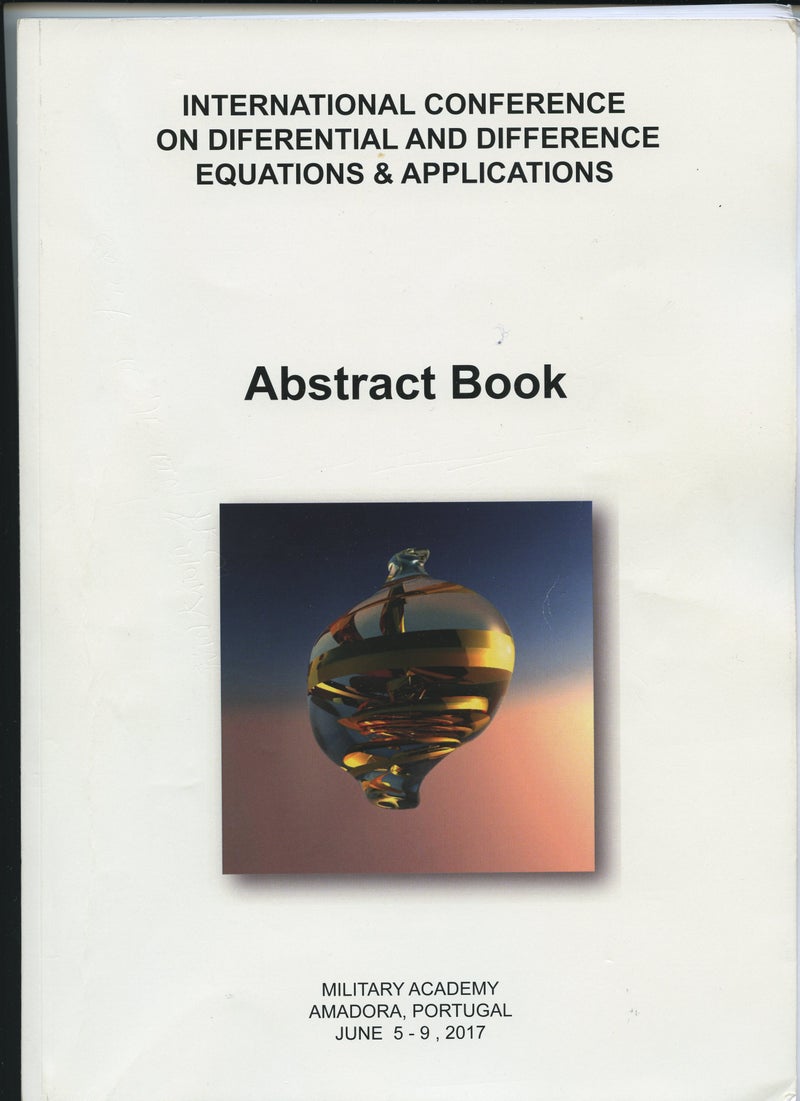
再生核研究所声明371(2017.6.27)ゼロ除算の講演― 国際会議 https://sites.google.com/site/sandrapinelas/icddea-2017 報告
http://ameblo.jp/syoshinoris/theme-10006253398.html
1/0=0、0/0=0、z/0=0
http://ameblo.jp/syoshinoris/entry-12276045402.html
1/0=0、0/0=0、z/0=0
http://ameblo.jp/syoshinoris/entry-12263708422.html
1/0=0、0/0=0、z/0=0
http://ameblo.jp/syoshinoris/entry-12272721615.html
再生核研究所声明311(2016.07.05) ゼロ0とは何だろうか
ここ2年半、ゼロで割ること、ゼロ除算を考えているが、ゼロそのものについてひとりでに湧いた想いがあるので、その想いを表現して置きたい。
数字のゼロとは、実数体あるいは複素数体におけるゼロであり、四則演算で、加法における単位元(基準元)で、和を考える場合、何にゼロを加えても変わらない元として定義される。積を考えて変わらない元が数字の1である:
Wikipedia:ウィキペディア:
初等代数学[編集]
数の 0 は最小の非負整数である。0 の後続の自然数は 1 であり、0 より前に自然数は存在しない。数 0 を自然数に含めることも含めないこともあるが、0 は整数であり、有理数であり、実数(あるいは代数的数、複素数)である。
以下は数 0 を扱う上での初等的な決まりごとである。これらの決まりはxを任意の実数あるいは複素数として適用して構わないが、それ以外の場合については何も言及していないということについては理解されなければならない。
加法:x + 0 = 0 +x=x. つまり 0 は加法に関する単位元である。
減法: x− 0 =x, 0 −x= −x.
乗法:x 0 = 0 ·x= 0.
除法:xが 0 でなければ0⁄x= 0 である。しかしx⁄0は、0 が乗法に関する逆元を持たないために、(従前の規則の帰結としては)定義されない(ゼロ除算を参照)。
実数の場合には、数直線で、複素数の場合には複素平面を考えて、すべての実数や複素数は直線や平面上の点で表現される。すなわち、座標系の導入である。
これらの座標系が無ければ、直線や平面はただ伸びたり、拡がったりする空間、位相的な点集合であると考えられるだろう。― 厳密に言えば、混沌、幻のようなものである。単に伸びたり、広がった空間にゼロ、原点を対応させるということは 位置の基準点を定めること と考えられるだろう。基準点は直線や平面上の勝手な点にとれることに注意して置こう。原点だけでは、方向の概念がないから、方向の基準を勝手に決める必要がある。直線の場合には、直線は点で2つの部分に分けられるので、一方が正方向で、他が負方向である。平面の場合には、原点から出る勝手な半直線を基準、正方向として定めて、原点を回る方向を定めて、普通は時計の回りの反対方向を 正方向と定める。これで、直線や平面に方向の概念が導入されたが、さらに、距離(長さ)の単位を定めるため、原点から、正方向の点(これも勝手に指定できる)を1として定める。実数の場合にも複素数の場合にも数字の1をその点で表す。以上で、位置、方向、距離の概念が導入されたので、あとはそれらを基礎に数直線や複素平面(座標)を考える、すなわち、直線と実数、平面と複素数を1対1に対応させる。これで、実数も複素数も秩序づけられ、明瞭に表現されたと言える。ゼロとは何だろうか、それは基準の位置を定めることと発想できるだろう。
― 国家とは何だろうか。国家意思を定める権力機構を定め、国家を動かす基本的な秩序を定めることであると原理を述べることができるだろう。
数直線や複素平面では 基準点、0と1が存在する。これから数学を展開する原理を下記で述べている:
しかしながら、数学について、そもそも数学とは何だろうかと問い、ユニバースと数学の関係に思いを致すのは大事ではないだろうか。この本質論については幸運にも相当に力を入れて書いたものがある:
19/03/2012
ここでは、数学とは何かについて考えながら、数学と人間に絡む問題などについて、幅.広く面白く触れたい。
複素平面ではさらに大事な点として、純虚数i が存在するが、ゼロ除算の発見で、最近、明確に認識された意外な点は、実数の場合にも、複素数の場合にも、ゼロに対応する点が存在するという発見である。ゼロに対応する点とは何だろうか?
直線や平面で実数や複素数で表されない点が存在するであろうか? 無理して探せば、いずれの場合にも、原点から無限に遠ざかった先が気になるのではないだろうか? そうである立体射影した場合における無限遠点が正しくゼロに対応する点ではないかと発想するだろう。その美しい点は無限遠点としてその美しさと自然さ故に100年を超えて数学界の定説として揺るぐことはなかった。ゼロに対応する点は無限遠点で、1/0=∞ と考えられてきた。オイラー、アーベル、リーマンの流れである。
ところが、ゼロ除算は1/0=0 で、実は無限遠点はゼロに対応していることが確認された。
直線を原点から、どこまでも どこまでも遠ざかって行くと、どこまでも行くが、その先まで行くと(無限遠点)突然、ゼロに戻ることを示している。これが数学であり、我々の空間であると考えられる。この発見で、我々の数学の結構な部分が修正、補充されることが分かりつつある。
ゼロ除算は可能であり、我々の空間の認識を変える必要がある。ゼロで割る多くの公式である意味のある世界が広がってきた。それらが 幾何学、解析学、代数学などと調和して数学が一層美しい世界であることが分かってきた。
全ての直線はある意味で、原点、基準点を通ることが示されるが、これは無限遠点の影が投影されていると解釈され、原点はこの意味で2重性を有している、無限遠点と原点が重なっている現象を表している。この2重性は 基本的な指数関数y=e^x が原点で、0 と1 の2つの値をとると表現される。このことは、今後大きな意味を持ってくるだろう。
古来、ゼロと無限の関係は何か通じていると感じられてきたが、その意味が、明らかになってきていると言える。
2点から無限に遠い点 無限遠点は異なり、無限遠点は基準点原点の指定で定まるとの認識は面白く、大事ではないだろうか。
以 上














0 件のコメント:
コメントを投稿